
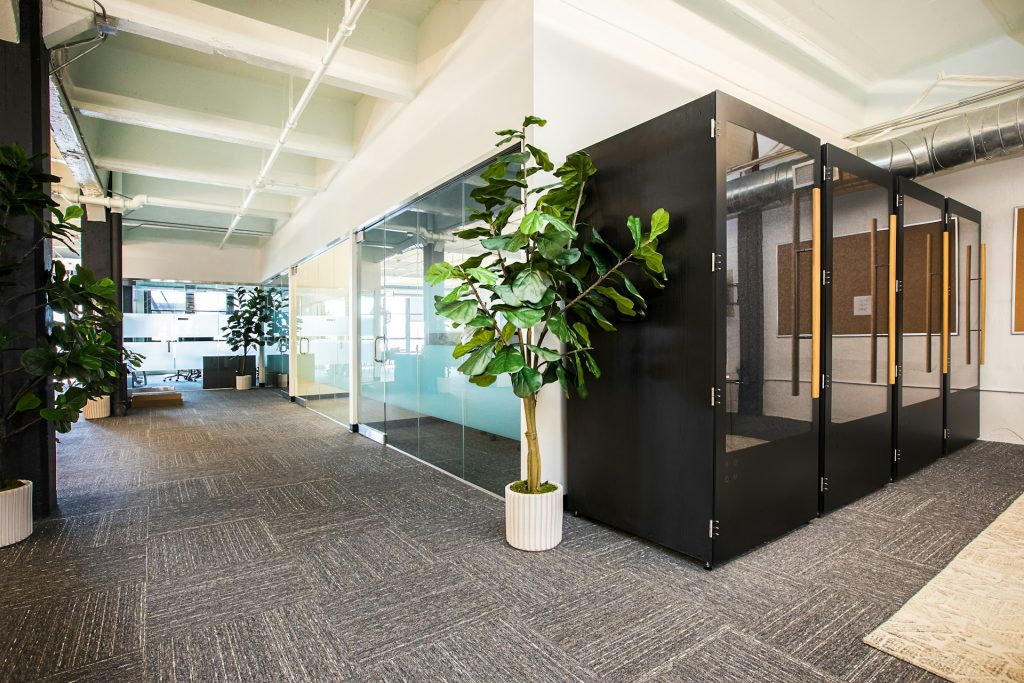
From Lobby to Corner Office: Why Daily Carpet Care Matters
Office carpets in Manhattan work hard. From the doorman in the lobby to the last desk in the corner office, they catch every step, drip, and crumb. Without daily care, carpets quickly look tired, smell stale, and hold on to dust that keeps air from feeling fresh.
For property managers and office managers, this is not just about looks. Commercial carpet is a big investment, and replacing it is messy and disruptive. A smart daily plan protects that investment, helps indoor air stay cleaner, and keeps tenants and staff more comfortable. With a solid routine, you can also safely stretch the time between visits from commercial carpet cleaners in NYC without letting your standards slide.
Manhattan offices also face changing outdoor conditions. In spring, you get pollen riding in on shoes and open windows. On rainy days, there is moisture and street grime. Construction nearby can kick up fine dust that finds its way into every hallway. A clear, simple daily and weekly plan turns all of that from a headache into something you can stay ahead of.
Mapping Smart Vacuuming Routes for Manhattan Offices
The first step is to know where soil really builds up. Not every part of an office needs the same level of attention. We like to walk the space with building staff and mark out the true “red zones” for dirt and debris.
Typical high-traffic areas include:
- Lobby entrances and security desks
- Elevator banks and elevator lobbies on each floor
- Reception areas and main corridors
- Hallways to conference rooms and restrooms
- Pantry and break room paths
- Printer, copy, and mail hubs
These spots collect dry soil, food crumbs, and grit from the street. That soil acts like sandpaper on carpet fibers if it is not removed often. Daily vacuuming keeps these paths from wearing out long before the rest of the floor.
A simple schedule often works best:
- Daily vacuuming: lobby, elevator banks, main corridors, reception, pantry paths, copy and mail areas
- Several times per week: conference room entries, open collaboration zones, shared workstations
- Weekly: individual offices, low-use side corridors, storage rooms
When windows are open more often or doors stay propped for fresh air, bump up the high-traffic zones to a more detailed pass. Light dust can build up fast when outside air flows through all day.
Route planning matters too, especially in Manhattan buildings where you may share walls, ceilings, and floors with other tenants. Some helpful habits:
- Start at the farthest point from your exit and work your way back, so you are not walking over areas you just cleaned
- Use steady, overlapping passes at a relaxed pace instead of racing, so the vacuum can actually lift soil
- Vacuum during off-hours early in the morning or later in the evening to limit noise complaints and avoid blocking busy hallways
With a clear map and schedule posted in the janitor’s closet or facilities office, staff know exactly what to cover and when.
Building an Effective Entry Mat System From the Sidewalk up
Even the best vacuuming plan struggles if grit and moisture walk straight onto the carpet. That is where a smart entry mat system comes in. Think of it as a filter that starts right at the sidewalk.
A practical “three-zone” mat system for Manhattan offices usually includes:
- Zone 1: Exterior scraper mats on the sidewalk, under canopies, or in vestibules to knock off heavy grit and salt
- Zone 2: Interior mats just inside the main lobby doors to catch moisture and finer soil
- Zone 3: Secondary mats at elevator lobbies or suite entrances to grab whatever is left before people step onto the office carpet
In busy New York buildings with revolving doors or narrow entries, mats should be long enough so people take several steps across them. The material should be:
- Durable and dense enough to trap dirt deep in the fibers
- Thick enough to hold moisture without feeling soggy
- Low enough in profile so people do not trip, especially when they are looking at their phones
Mat care is part of carpet care. A dirty mat is like a dirty filter; it stops working. Daily and weekly habits help:
- Shake or vacuum exterior mats each day, especially after rain or snow
- Vacuum interior mats daily and spot-treat spills right away so stains do not set
- Check edges weekly for curling or loose corners that can cause trips in crowded lobbies
When entry mats are clean and in good shape, your carpets get a break. Less grit reaches the fibers, which means less damage and fewer deep cleaning visits.
Fast, Safe Spot-Treatment Protocols for Office Spills
Spills and spots are a part of office life. Coffee at morning meetings, soft drinks in the afternoon, toner dust from a printer issue, food from working lunches, and street grime from wet shoes can all leave marks if not handled quickly.
A simple step-by-step response plan helps your team act fast:
1. Act quickly
The sooner you respond, the better the chance the spot will not become a stain.
2. Blot, do not scrub
Use clean, white cloths or paper towels. Blot from the outside of the spill toward the center so it does not spread. Avoid harsh scrubbing that can fuzz the fibers.
3. Apply the right cleaner
Use a low-odor, carpet-safe product. For most office spills, a gentle cleaner is enough. For ink and toner dust, avoid soaking the area and use very light moisture with careful blotting.
4. Gently agitate
If needed, lightly work the cleaner into the fibers with a soft brush. Keep it gentle to protect the carpet.
5. Rinse and blot dry
If the product requires rinsing, use a small amount of clean water, then blot again until the area feels barely damp.
Because Manhattan offices often share HVAC systems and have many people on each floor, cleaning products should be:
- Low odor, so smells do not travel across the floor
- Low residue, so the spot does not attract new soil and darken over time
- Safe for common commercial carpet fibers and backing
We suggest placing spill kits on each floor or in each department. A simple kit might include:
- Clean white cloths or towels
- A small bottle of approved carpet spot cleaner
- Disposable gloves
- A printed quick-response card
Train front-desk staff, office managers, and cleaning crews on when to stop and call professional commercial carpet cleaners in NYC. If a spot is large, dark, keeps wicking back, or involves unknown liquids, it is safer to let a pro step in before damage sets in for good.
Coordinating In-House Routines With Steam Cleaning Services
When daily vacuuming, strong entry matting, and fast spot treatment all work together, the carpet stays cleaner between deep cleans. That does not replace professional steam cleaning, but it does help you plan those visits on your terms instead of reacting to emergencies.
A seasonal pattern often works well for Manhattan offices:
- After winter, to remove salt, sand, and de-icer tracked in from sidewalks and streets
- Late spring, to flush out pollen and fine dust that settled into carpet fibers
- Late summer, as a refresh before busy fall leasing, client visits, and end-of-year events
Sharing information with your cleaning partner makes deep cleaning more effective. Helpful details include:
- Floor plans for each level
- Notes on high-traffic paths and “red zones”
- Spots that keep coming back or stay gray even after vacuuming
- Areas with special needs, such as conference rooms, reception, or executive floors
With that insight, a professional team can focus more time and attention where it has the most impact on both appearance and indoor comfort.
Turn Your Office Carpet Plan Into a Manhattan-Ready Routine
A clear vacuuming map, a layered entry mat system, and simple, safe spot-treatment steps add up to a steady routine that works in real life. Carpets look cleaner, air feels fresher, and staff and visitors notice the difference from the lobby to the last desk.
The next step is to make the plan real. Put your carpet care schedule in writing, assign tasks, and test it on one floor before you roll it out across the building. Once it feels natural for your team, keeping your Manhattan office carpets in shape between professional steam cleans becomes much easier day after day.
Keep Your Commercial Carpets Presentable And Professional
If your building’s carpets are affecting how clients and employees see your space, NY Steam Clean is ready to help. Our experienced commercial carpet cleaners in NYC can work around your schedule to restore a cleaner, healthier environment. We take the time to understand your traffic patterns, stains, and maintenance needs so you get lasting results, not quick cover-ups. If you are ready to discuss a custom cleaning plan for your property, contact us today.